My part
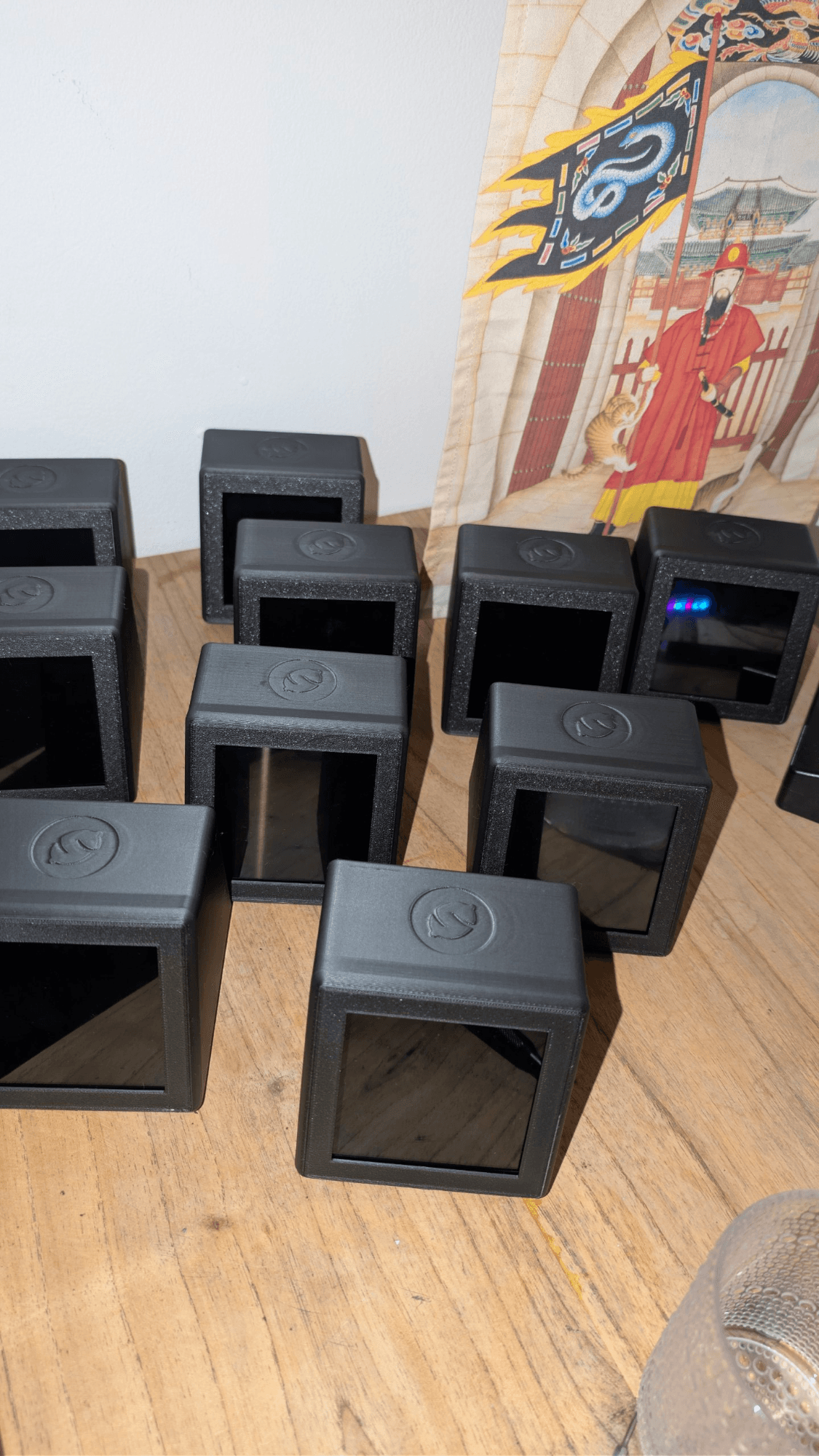
Joaquín modeled the enclosure. I wrote the firmware, integrated the ESP32-S3 display, ran the three 3D printers, printed the parts, and assembled the batch.
Physical product for Lemon
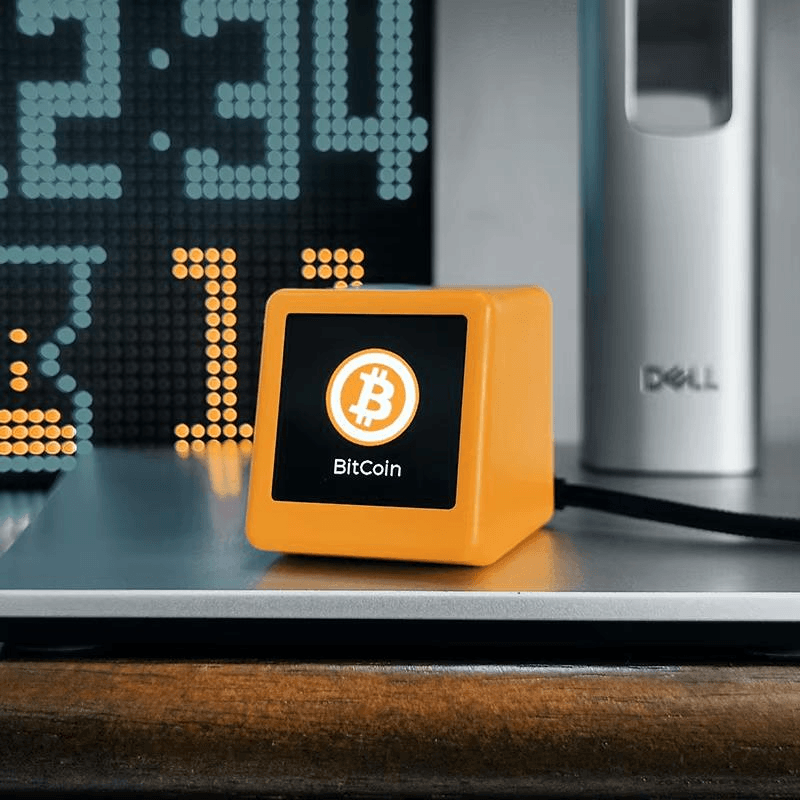
Lemon sent a reference image and asked whether we could build something like it. Joaquín modeled the enclosure; I built the firmware, integration and print process. Together we assembled working displays.
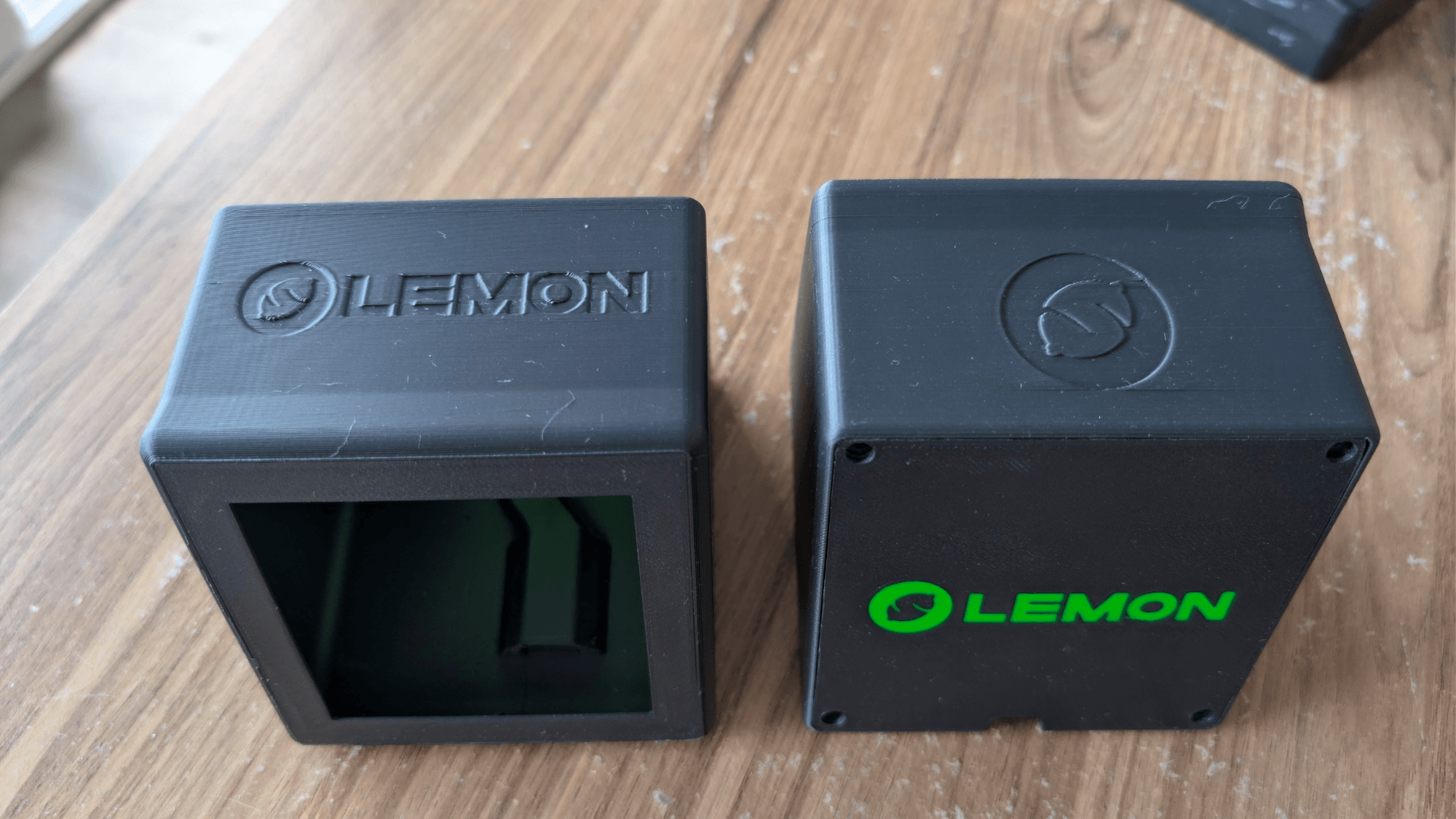
Joaquín modeled the enclosure. I wrote the firmware, integrated the ESP32-S3 display, ran the three 3D printers, printed the parts, and assembled the batch.
Balance a readable 480 by 480 interface, live network data, touch, persistence, and reliable recovery inside a constrained device.
Original device, enclosure and batch photos supplied by Franco, the reference supplied by Lemon, public firmware releases, source code and STL files. The orange Bitcoin image is labelled as the initial reference, not evidence of our build.
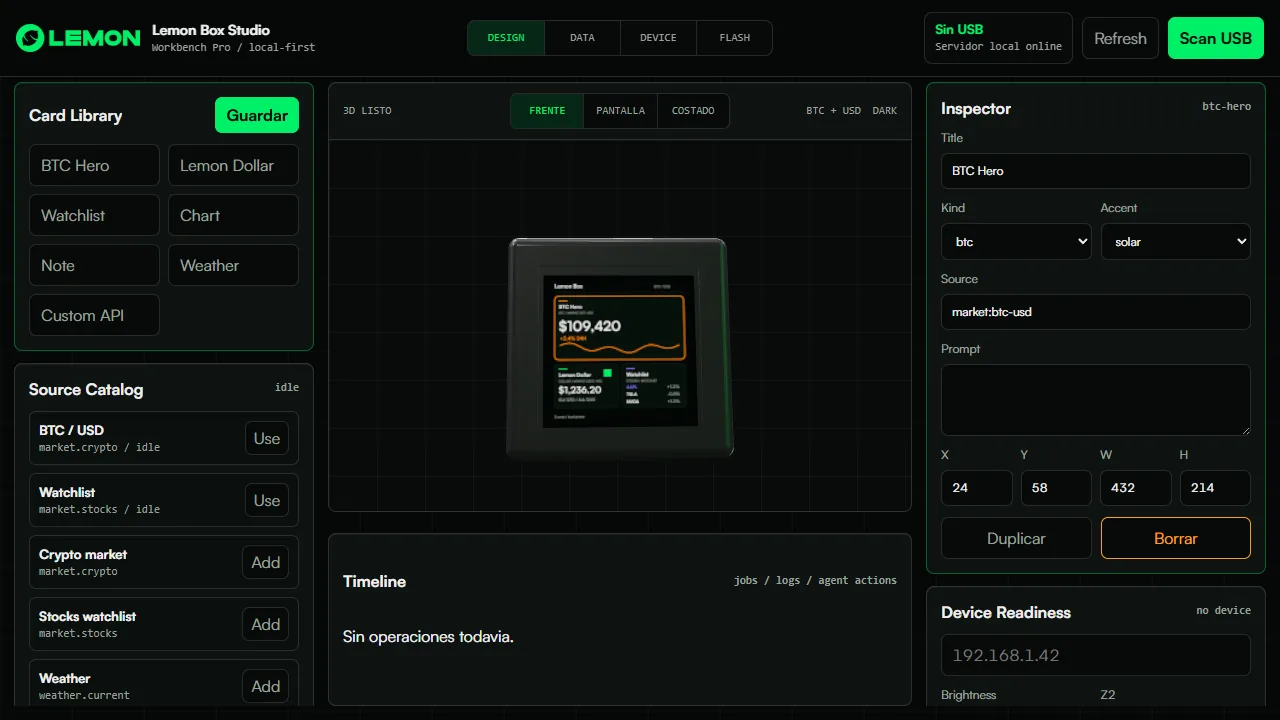
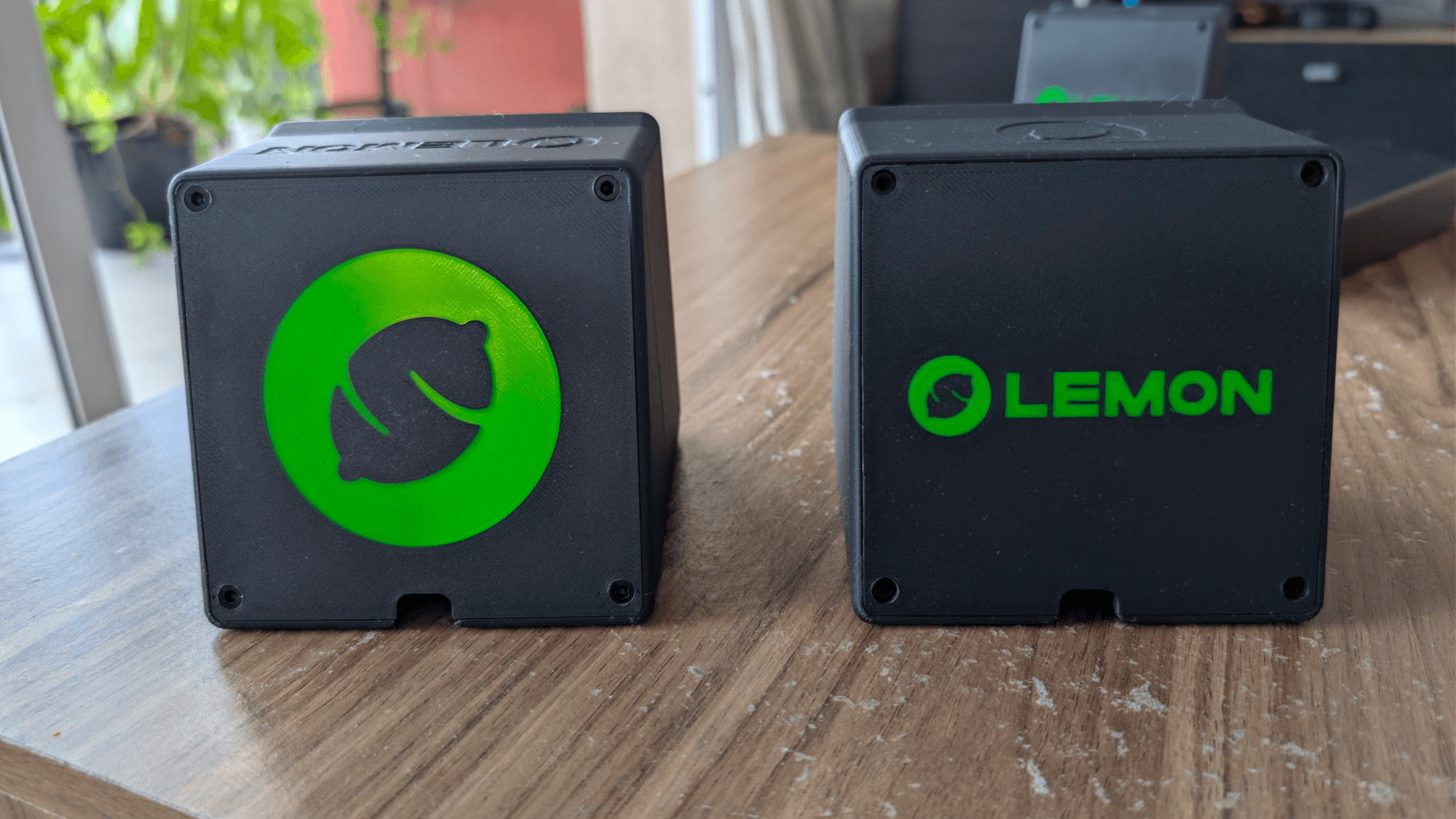
Rendered in the browser with the production STL files used to print the Lemon Box: the body with the screen, the lid and the logo inlay. Enclosure model by Joaquín.
…
The build started with the reference supplied by Lemon. Joaquín modeled the enclosure; Franco built the firmware, hardware integration, printing and assembly. The physical device reads market data, while Lemon Box Studio remains in development.
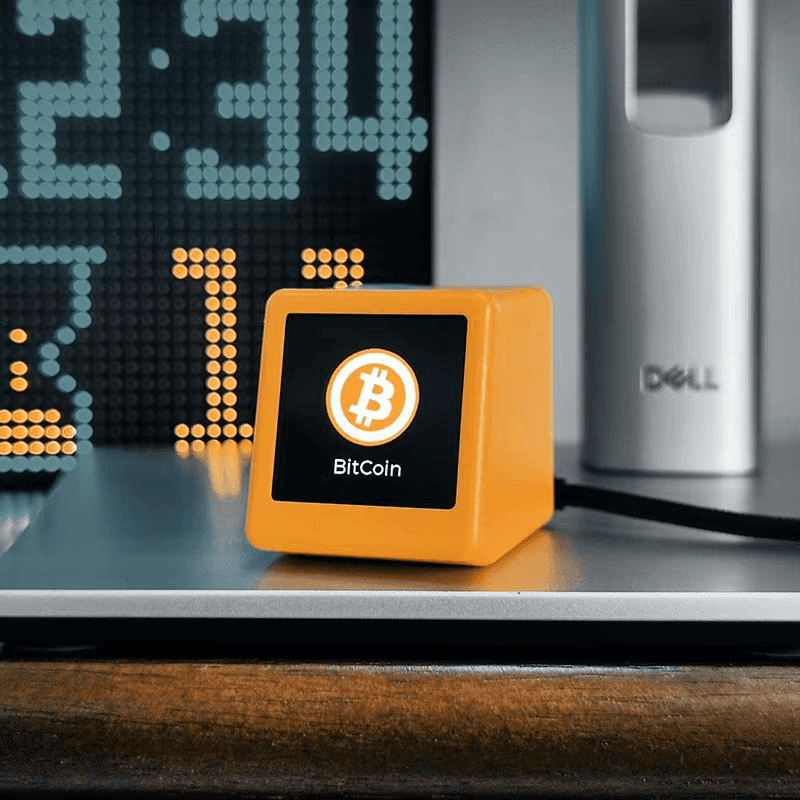
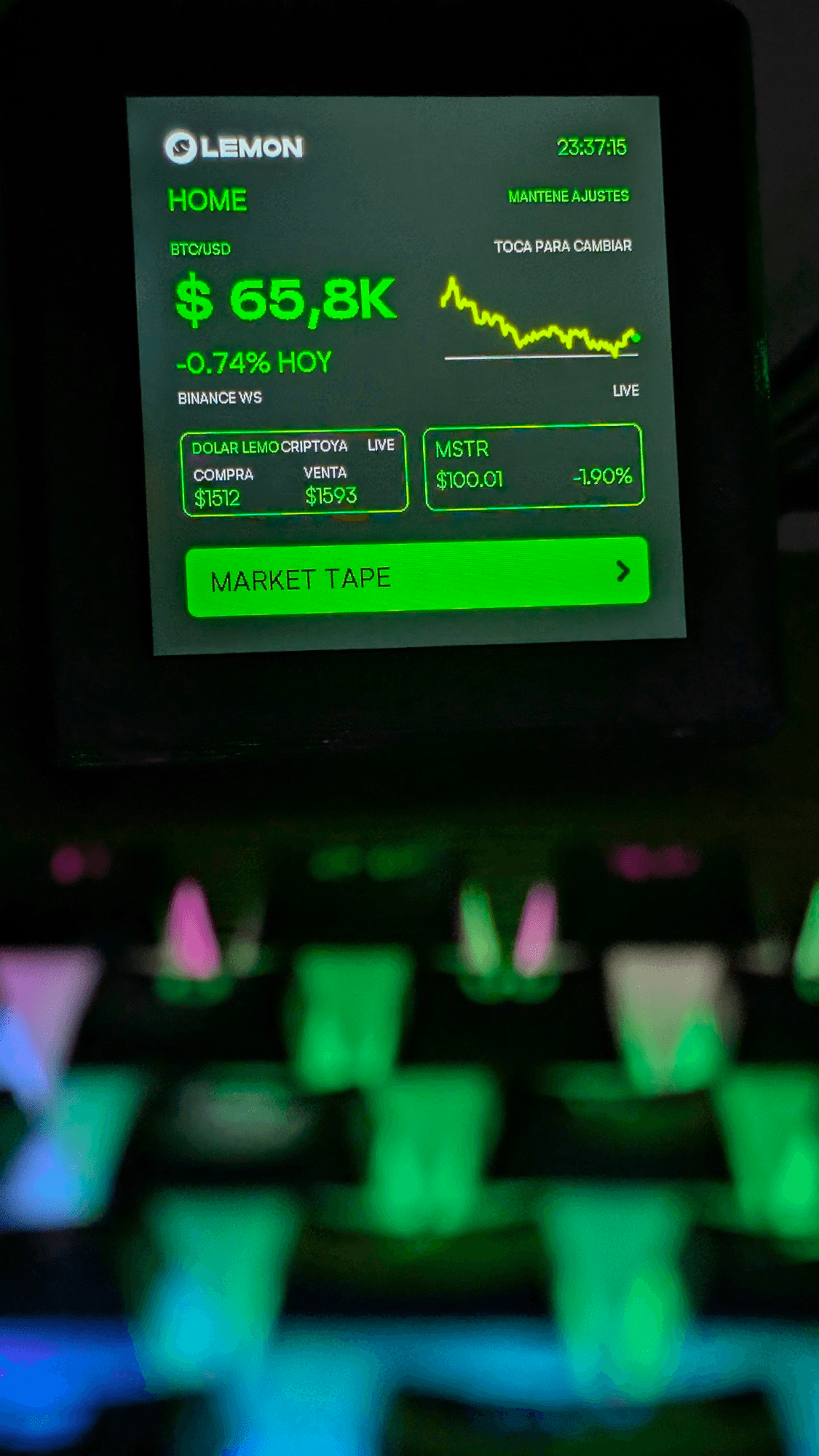
Lemon sent the orange Bitcoin display image shown here and asked whether we could build something like it. It was the initial reference; the black Lemon Box devices in the other photos are our physical build.
Joaquín is a close friend and a 3D modeler. He modeled the enclosure. I have three 3D printers as part of my maker practice, so I could print revisions, test the fit with the display and electronics, and feed physical constraints back into the next iteration.
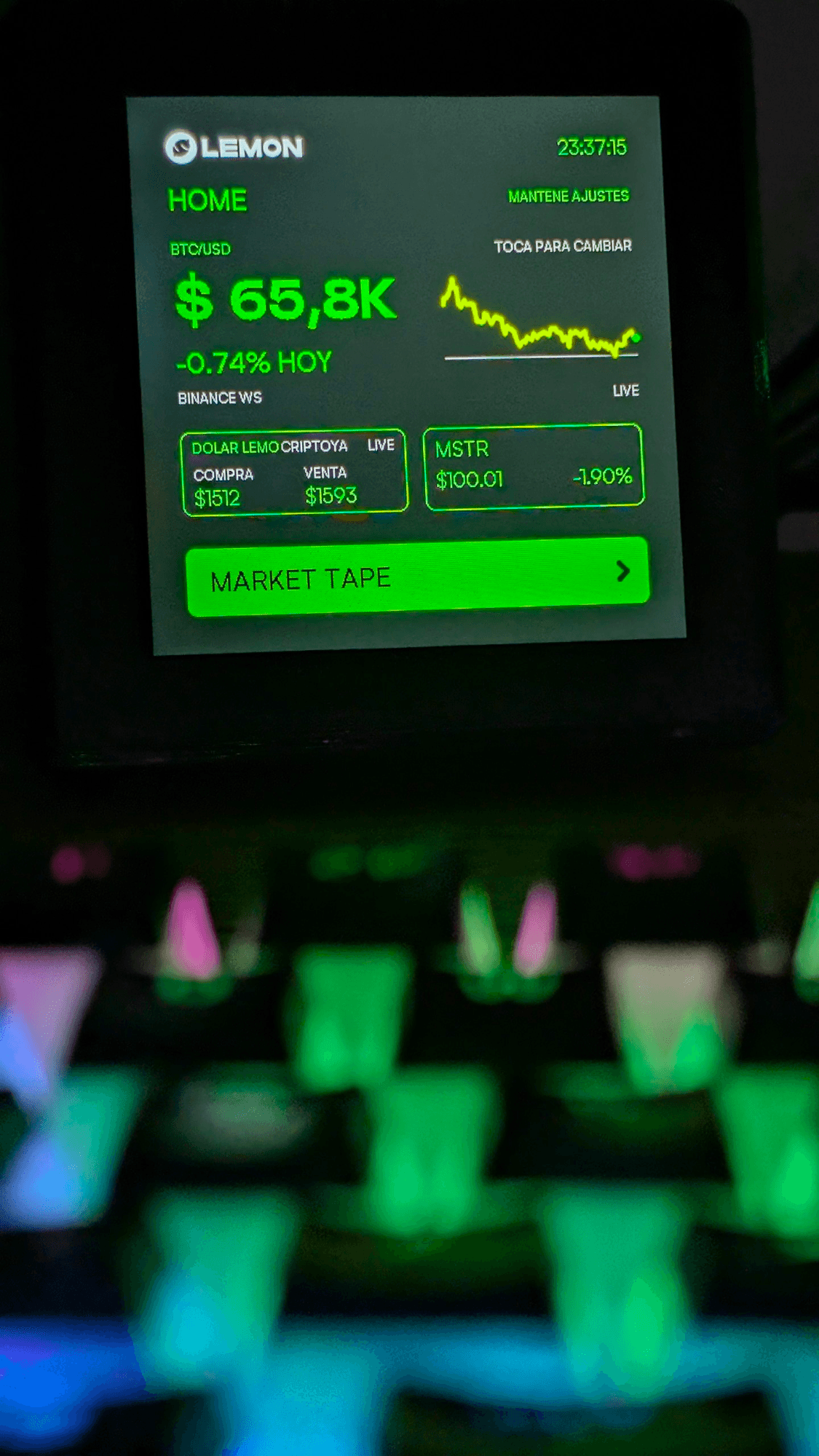
Joaquín and I chose an ESP32-S3 touchscreen approach. I built the firmware and hardware integration: WiFi provisioning, rendering, touch gestures, NVS settings, audio alerts, network recovery, and public OTA updates. We then printed the enclosures and assembled the displays for Lemon.
The running firmware shows BTC against USD, ETH, SOL, ARS, and gold, plus the Lemon USDC/ARS rate and a stock watchlist. It also supports paper predictions against live Polymarket markets and BTC movement. Predictions and score are stored on the device; there is no wallet and no funds are placed.
Lemon Box Studio is a local editor for arranging cards, previewing live data sources, pairing a device, changing settings, and preparing wireless updates. The current repository supports the editor workflow, but this page does not present Studio as a finished or deployed product.